TLDR
Paris is one of the safest major cities in Europe. Violent crime against tourists is extremely rare. The real risk is pickpocketing, especially on the metro and around major landmarks. Know the common scams, keep your valuables secure, and you’ll have zero problems. The 12th arrondissement near Gare de Lyon is particularly calm and residential.
Insider Tip
Wear a cross-body bag with a zip closure. Keep it in front of you on the metro and in crowded areas. This single habit eliminates 90% of your pickpocket risk. Backpack wearers should swing the bag to their chest on busy trains.
Planning your stay? Check current rates at SOC ADRIATIC HOTEL TOURISME – a convenient base for exploring Paris.
Overall Safety: What the Numbers Actually Say
Paris welcomes over 30 million visitors each year. The vast majority leave without any safety incident at all. Compared to other major cities of its size, Paris has low rates of violent crime, and tourists are almost never targets of anything beyond petty theft.
The French police maintain a visible presence across the city, especially around major tourist sites. You’ll see uniformed officers and sometimes military patrols near landmarks like the Eiffel Tower, Notre-Dame, and the Louvre. Public transport stations have security cameras and regular police patrols.


That said, Paris is a city of 12 million people in the metro area. Like any major city, it has areas that are busier and louder at night, and it has petty criminals who target distracted visitors. The key difference is that most of what tourists encounter is not violent. It is opportunistic. Someone reaching into an open bag. A scam designed to get you to hand over money voluntarily. These are avoidable if you know what to look for.
Want a safe, residential base in Paris?
The 12th arrondissement is one of the calmest neighborhoods in the city. Book a room with free cancellation and explore from a quiet home base.
Check AvailabilityWe may earn a small commission if you book through this link. It doesn’t cost you anything extra.
Pickpockets: Where They Operate and How They Work
Pickpocketing is the number one crime that affects tourists in Paris. It’s not random. Thieves work specific locations, at specific times, using specific techniques. Once you understand the pattern, you can avoid it entirely.
The U.S. Embassy in Paris regularly warns visitors about pickpocket activity, especially on public transport and around tourist sites.
Hotspot locations:
- Metro Line 1 runs through every major tourist stop: Louvre-Rivoli, Champs-Elysees-Clemenceau, Charles de Gaulle-Etoile. It’s the busiest line and the most targeted.
- RER A connects to Disneyland Paris and La Defense. Crowded carriages, distracted families, lots of luggage. A prime environment for theft.
- Eiffel Tower queues and the grassy areas on the Champ de Mars. People set down bags while taking photos.
- Louvre queues where visitors stand packed together for long periods.
- Sacre-Coeur steps in Montmartre, where you’re sitting down, relaxed, and not watching your bag.
- Champs-Elysees sidewalks, especially near fast food restaurants and shops.
- Gare du Nord station, the Eurostar terminal, where travelers are juggling tickets and luggage.
- Chatelet-Les Halles, the largest underground station in the world, with multiple intersecting lines and constant crowds.
Pickpockets often work in teams. One person creates a distraction while another reaches into your bag or pocket. Common distractions include bumping into you, asking for directions while holding a map, or creating a commotion near a metro door just as it closes.
“The 12th arrondissement was a happy accident for us. We booked it because it was affordable and ended up loving the neighborhood. Local markets, easy walk to Bastille, and none of the tourist markup. We would stay here again over the more central areas.”
Common Scams and How to Avoid Them
Paris scams follow a playbook. They rotate through the same tourist areas and use the same approaches year after year. Once you’ve read this list, you’ll spot them instantly.
The Friendship Bracelet
Common near Sacre-Coeur. Someone approaches, grabs your wrist, and starts wrapping a colorful string bracelet around it while chatting. Once it’s tied on, they demand payment. The bracelet is worth nothing. To avoid it: keep your hands in your pockets or at your sides as you walk up the Montmartre steps. A firm “non, merci” while walking works. Do not stop.
The Ring Scam
Someone “finds” a gold ring on the ground near you and asks if you dropped it. When you say no, they offer it as a gift, then ask for money in return. The ring is brass or copper, worth cents. It happens along the Seine, near the Louvre, and on bridges. Just say no and keep walking.
The Fake Petition
Groups of young people approach with clipboards, asking you to sign a petition for a charity (often “deaf children” or “disability rights”). While you’re reading and signing, an accomplice picks your pocket. Or after you sign, they demand a cash donation. This happens constantly around the Eiffel Tower, the Louvre, and Opera. Never stop to sign anything on the street.
The Rose Gift
Someone hands you or your partner a rose as a “gift.” Once you accept it, they demand payment. This happens near restaurants and tourist cafes, especially in Montmartre and along the Champs-Elysees. Do not accept anything handed to you by strangers.
Taxi Overcharging
Licensed Paris taxis have meters. Unlicensed drivers at airports sometimes quote flat rates that are double the actual fare. The official fixed rate from Charles de Gaulle (CDG) to central Paris is around 48 euros for the Right Bank and 58 euros for the Left Bank. From Orly, it’s around 37 euros to the Right Bank and 32 euros to the Left Bank. Always use a metered taxi from the official rank, or book a transfer in advance. For a full breakdown of airport options, see our airport transfer guide.
Three-Card Monte
Street gambling near tourist areas. A small group gathers around a table where someone shuffles three cards or cups. Planted “winners” in the crowd make it look easy. You will not win. The game is rigged, and the lookouts will vanish with your money if police approach. Walk past.
“Great location near public transport, clean and quiet rooms, friendly staff, mini Nespresso maker.”
How to Protect Yourself
None of this requires paranoia. A few simple habits will keep you safe throughout your entire trip.
- Use a cross-body bag with a zip closure. Keep it in front of you on the metro and in queues. This is the single most effective thing you can do.
- Wear your backpack on your chest when riding crowded metro lines, especially Line 1 and the RER.
- Never keep your phone or wallet in your back pocket. Front pockets only, and ideally inside a zipped jacket.
- Split your cash and cards. Keep one card and some cash on you. Leave the rest in your hotel room safe.
- Use the hotel safe for your passport, backup card, and extra cash. Carry a photo of your passport on your phone instead of the original.
- Take a photo of your passport and email it to yourself. If the original is lost or stolen, this speeds up the replacement process at your embassy.
- Stay aware at metro doors. Thieves often strike in the moment just before the doors close, grabbing a phone and jumping off the train.
- Do not engage with strangers who approach you with petitions, bracelets, rings, or anything else you didn’t ask for. A quick “non” and continued walking is enough.
Neighborhoods: Where Is Safe and Where to Be Careful
Most of Paris is safe during the day and evening. The neighborhoods that visitors frequent (Le Marais, Saint-Germain, the Latin Quarter, Montmartre) are busy, well-policed, and full of restaurants and shops that keep sidewalks active until late.
Areas that require more awareness include parts of the 18th, 19th, and 20th arrondissements late at night, particularly around Barbes, Stalingrad, and Porte de la Chapelle. These areas are not dangerous in the way that word gets used online, but they have more street activity at night and fewer tourists, so you would stand out more. If you’re returning from a late dinner in Montmartre, take the metro rather than walking through unfamiliar streets.
Areas around major train stations (Gare du Nord, Gare de l’Est) tend to have more hustlers and petty crime than residential neighborhoods. This is common for any major European city. Stay alert, keep moving, and you’ll be fine.
Solo Travelers and Women Traveling Alone
Paris is generally a good city for solo travelers, including women. The metro runs until about 1am on weekdays and 2am on weekends, so getting back to your hotel late is straightforward. Restaurants are comfortable dining alone, especially bistros and wine bars where counter seating is common.
That said, street harassment does happen, particularly near nightlife areas and on late-night metro rides. It’s not unique to Paris, but it exists. Practical steps: sit near other passengers on quiet metro cars, use well-lit metro exits, and consider ride-sharing apps like Bolt or Uber for late-night returns if the metro feels uncomfortable.
Solo travelers should also let someone know their rough itinerary. Share your hotel name and location with a friend or family member back home. Keep your phone charged. These are basics, but they matter.
Emergency Numbers to Save on Your Phone
Save these before you arrive. They work from any phone, including locked phones without a SIM card.
- 112 – General emergency number (works across all of Europe)
- 17 – Police
- 15 – Medical emergency / ambulance (SAMU)
- 18 – Fire brigade (Pompiers, who also respond to medical emergencies)
If you need to file a police report for a theft, look for the nearest commissariat de police. There’s one in most arrondissements. You can also file a report online through the French government’s pre-complaint system (pre-plainte en ligne), which saves time at the station. Reports can be filed in English.
For lost or stolen passports, contact your country’s embassy or consulate. The U.S. Embassy is at 2 Avenue Gabriel (8th arrondissement). The UK Embassy is at 35 Rue du Faubourg Saint-Honore. Both can issue emergency travel documents.
The Gare de Lyon Area: One of the Calmest Neighborhoods in Paris
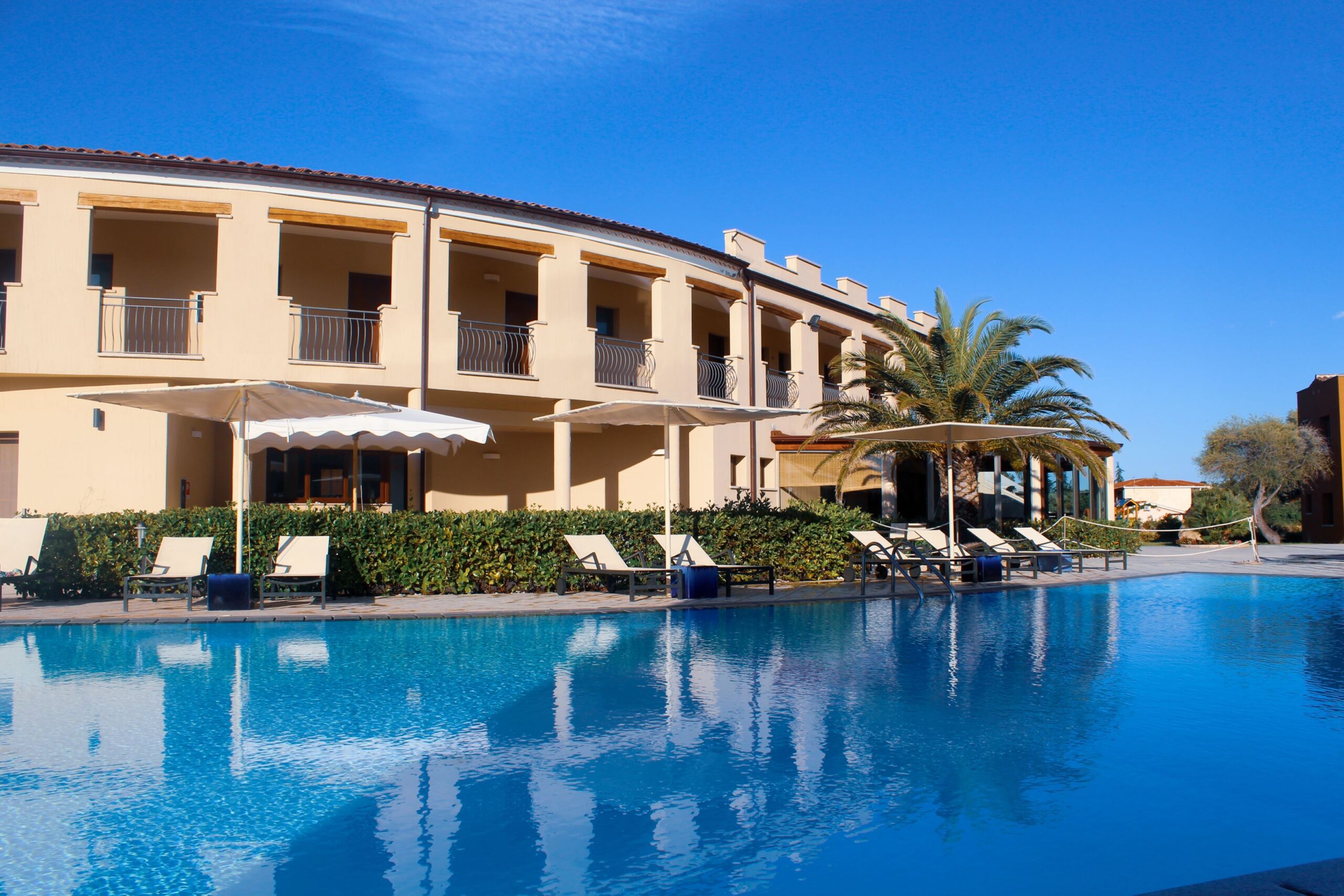
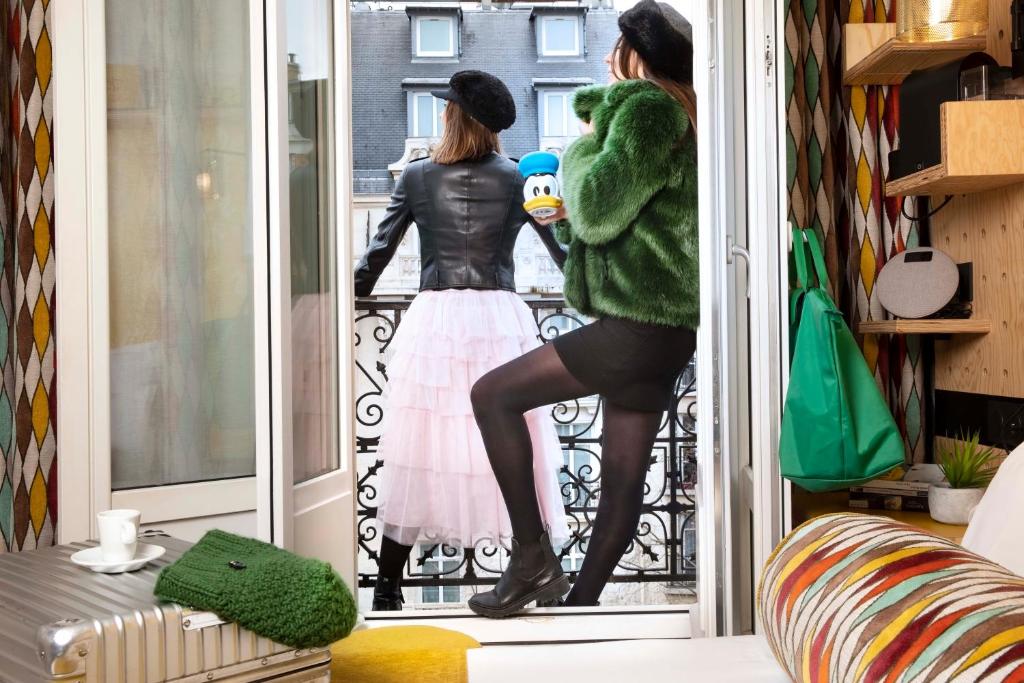
The 12th arrondissement, where the SOC ADRIATIC HOTEL TOURISME is located at 6 bis rue de Lyon, is one of the safest areas in Paris. It’s a working, residential neighborhood. Families live here. People walk their dogs at midnight without a second thought.
The streets around Gare de Lyon are well-lit and see steady foot traffic from commuters and locals throughout the day and evening. There’s none of the hustle you’ll find around Gare du Nord. The main streets, rue de Lyon and avenue Daumesnil, are wide, lined with shops and cafes, and busy enough to feel safe without feeling hectic.
It’s also well connected. Metro lines 1 and 14 run from Gare de Lyon, so you can reach any major attraction in under 25 minutes and come back to a quiet, calm neighborhood. For a full look at the area, read our Gare de Lyon neighborhood guide.
If you’re wondering what to do once you’re settled in, our guide to the top attractions in Paris covers the essentials with practical transport tips from the 12th.
Stay in One of Paris’s Safest Neighborhoods
The 12th arrondissement is residential, well-lit, and connected to every major attraction by metro. SOC ADRIATIC HOTEL TOURISME sits on rue de Lyon, steps from Gare de Lyon station. Book a room with free cancellation and use it as your base for exploring Paris.
Check AvailabilityWe may earn a small commission if you book through this link. It doesn’t cost you anything extra.
“The location of this hotel was fantastic – I was able to easily take the train to all main attractions.”
See SOC Adriatic Hotel for Yourself
Browse All Photos on Booking.com →
This post contains affiliate links. We may earn a commission at no extra cost to you.
Frequently Asked Questions
See SOC Adriatic Hotel for Yourself


Browse All Photos on Booking.com →
This post contains affiliate links. We may earn a commission at no extra cost to you.
Is Paris safe for tourists?
Yes. Paris is one of the safest major cities in Europe. Violent crime against tourists is extremely rare. The main risk is pickpocketing, which is concentrated on the metro and around major landmarks. Basic awareness and a secure bag are all you need.
What is the most common crime against tourists in Paris?
Pickpocketing. It happens most often on Metro Line 1, the RER A, and in queues at the Eiffel Tower and Louvre. Thieves work in teams, using distractions to access bags and pockets. A cross-body bag with a zip closure prevents most incidents.
What are the biggest scams in Paris?
The friendship bracelet scam (near Sacre-Coeur), the fake petition (near the Eiffel Tower and Louvre), the ring scam (along the Seine), the rose gift scam, three-card monte, and taxi overcharging at airports. All are avoidable by not engaging with strangers who approach you on the street.
Is the 12th arrondissement safe?
Very safe. It’s a residential neighborhood with families, well-lit streets, and calm evenings. There’s none of the hustle you’ll find around busier train stations. Locals walk comfortably at all hours. It’s one of the best areas in Paris for a quiet, safe stay.
Is Paris safe for solo female travelers?
Generally yes. The metro is well connected and runs until 1-2am, restaurants are comfortable for solo diners, and most neighborhoods are busy enough to feel safe in the evening. Street harassment can occur near nightlife areas. Practical steps include sitting near other passengers on quiet metro cars and using ride-sharing apps for very late returns.
What is the emergency number in Paris?
112 is the general European emergency number and works from any phone. For police specifically, call 17. For medical emergencies, call 15 (SAMU). For fire, call 18. All work from mobile phones, even without a French SIM card.
How much should a taxi from CDG airport cost?
The official fixed rate from CDG to the Right Bank (including the 12th arrondissement) is around 48 euros. To the Left Bank, it’s around 58 euros. Always use a metered taxi from the official rank outside the terminal. Unlicensed drivers may quote double the real fare.
What should I do if my passport is stolen in Paris?
File a police report at the nearest commissariat de police or online through the French pre-complaint system. Then contact your embassy for an emergency travel document. Keep a photo of your passport on your phone and a copy emailed to yourself to speed up the replacement process. Use the hotel safe for the original whenever possible.