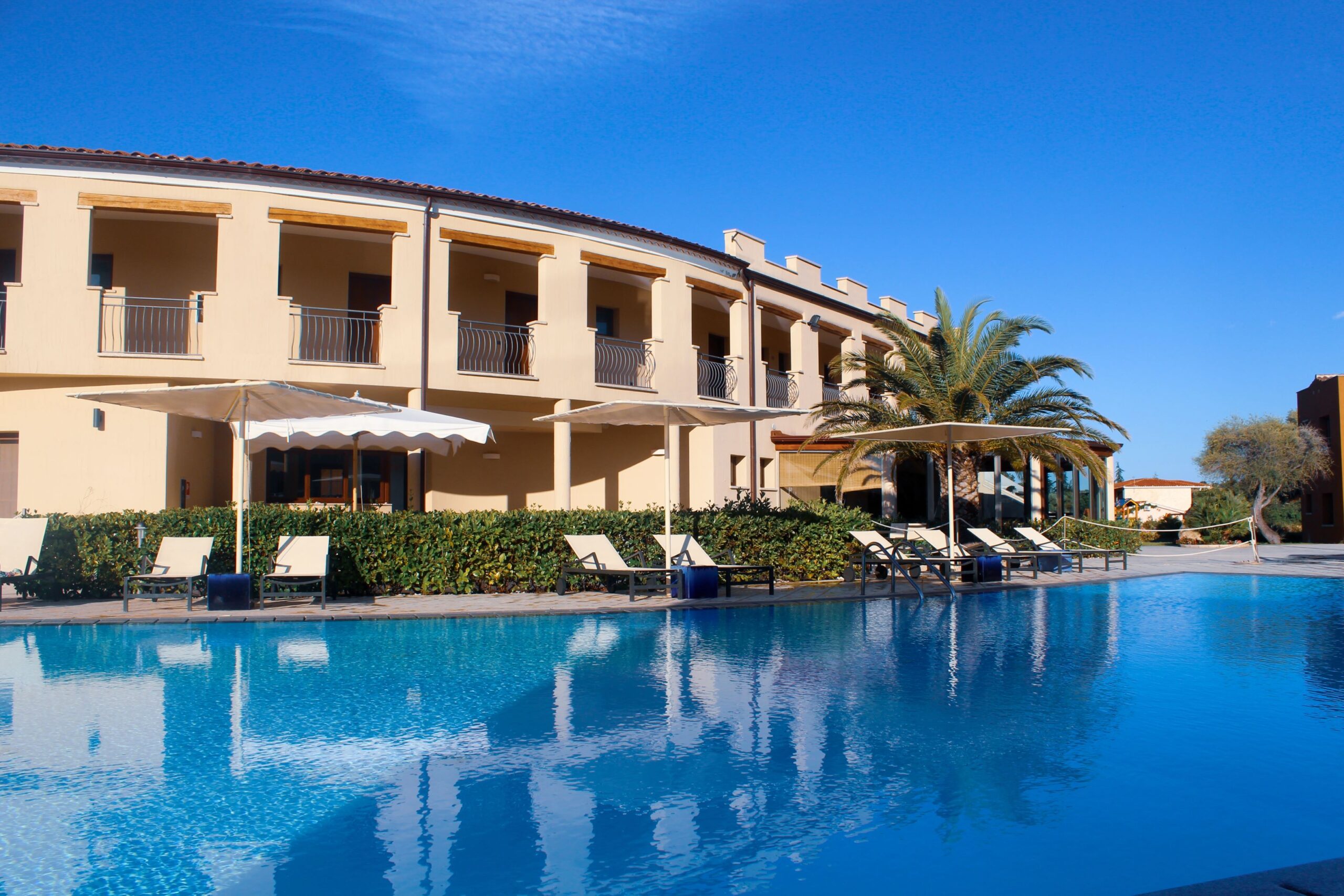

TLDR
You can eat extraordinarily well in Paris on any budget. The key is understanding how Parisians actually eat: long lunches, small plates at wine bars, market food on the weekend, and a proper dinner when it counts. This guide covers the different types of Paris dining, the best neighborhoods for food, what to order, how much to tip, and how to avoid the tourist traps. If you are staying near Gare de Lyon in the 12th arrondissement, you are already in one of the best eating neighborhoods in the city.

Insider Tip
Walk to Marche d’Aligre on a weekend morning. It is one of the oldest and most affordable markets in Paris, just 10 minutes on foot from the hotel. Buy cheese, bread, fruit, and charcuterie, then eat on a bench in the Place d’Aligre. That is how locals spend a Saturday.
Planning your stay? Check current rates at Adriatic Paris Hotel, a convenient base for exploring Paris.
Understanding Paris Dining: Bistro, Brasserie, and Everything In Between
Paris has several distinct types of restaurant, and knowing the difference will save you money and set the right expectations.
A bistro is a small, casual restaurant with a short menu. Think handwritten chalkboards, checkered tablecloths, and a proprietor who both cooks and serves. Bistros are where Parisians eat most often. A two-course lunch (entree plus plat, or plat plus dessert) at a good bistro runs 16-22€. Dinner is slightly more, usually 25-40€ for three courses.
A brasserie is larger, louder, and stays open longer hours. Brasseries often serve food all afternoon (most bistros stop taking orders at 14:00 and reopen at 19:00). Expect seafood platters, steak frites, and Alsatian dishes like choucroute garnie. A main course at a decent brasserie is 18-28€.
A cave a manger or bar a vin (wine bar) is the newer, more casual option. These places serve small plates, charcuterie boards, natural wine by the glass (6-10€), and simple dishes like tartines or terrines. They are perfect for an early evening snack or a lighter meal. Budget 20-35€ per person for food and a couple of glasses.
A salon de the is a tearoom, good for a midday break with pastries and coffee. These are not full restaurants. Expect to spend 8-14€ on a cake and hot drink.
Street food in Paris is mostly limited to crepe stands (4-7€ for a Nutella or ham-and-cheese crepe), falafel in Le Marais (7-9€), and the occasional kebab shop (8-10€). There is no broad street food culture like you find in Bangkok or Mexico City. Parisians eat sitting down.
The Best Neighborhoods for Eating in Paris
The 11th and 12th arrondissements (Bastille, Oberkampf, Aligre): This is where chefs go on their nights off. The streets around Rue de Charonne, Rue Paul Bert, and Rue de la Roquette are packed with small, chef-owned bistros where a three-course dinner costs 30-45€. The food is ambitious but unpretentious. If you are staying near Gare de Lyon, you are already here. Walk 10 minutes northwest and you are in the middle of it.
Le Marais (3rd and 4th arrondissements): More tourist-heavy than the 11th, but still excellent for food. Rue des Rosiers has the famous falafel strip (L’As du Fallafel is the most crowded, but Mi-Va-Mi across the street is just as good with shorter lines). The northern Marais around Rue de Bretagne has good wine bars and bistros. Marche des Enfants Rouges, the oldest covered market in Paris, has food stalls selling Japanese bento, Moroccan couscous, and Italian pasta for 10-15€.
Saint-Germain-des-Pres (6th arrondissement): More expensive than the east side of Paris, but the quality is high. The side streets off Boulevard Saint-Germain, especially around Rue du Cherche-Midi and Rue de Buci, have some of the best bakeries, cheese shops, and chocolate shops in the city. For a sit-down meal, expect to pay 35-55€ per person for dinner at a decent restaurant here.
Montmartre (18th arrondissement): Avoid the tourist restaurants immediately around Sacre-Coeur and Place du Tertre. Walk five minutes downhill to Rue des Abbesses or Rue Lepic, and you will find proper bistros with locals eating inside. The area around Rue des Martyrs (technically the 9th) has become one of the best food streets in Paris, with bakeries, fromageries, wine bars, and specialty shops.
The 5th arrondissement (Latin Quarter): The streets closest to Notre-Dame and the Pantheon are tourist traps. Walk south to the streets around Rue Mouffetard for a proper market street with good produce, cheese, and a few honest bistros. The Greek and Middle Eastern restaurants on Rue de la Huchette are not representative of quality Parisian dining.


Eating Near Gare de Lyon and the 12th
You do not need to go far for good food. The area around the hotel has some of the best everyday eating in Paris.
Marche d’Aligre is a 10-minute walk from Gare de Lyon. The outdoor market runs Tuesday through Sunday mornings (roughly 8:00 to 13:30). The Beauvau covered hall inside has excellent cheese, meat, and fish vendors. The open-air stalls sell produce at lower prices than most Paris markets. On Saturday mornings, the surrounding cafes fill with locals drinking coffee and eating market-bought food.
The Rue de Cotte and Rue d’Aligre area has a growing number of wine bars and small restaurants. The atmosphere is relaxed and the prices are reasonable for Paris, with dinner mains in the 16-24€ range.
Walk 15 minutes northwest toward Bastille and you reach the Rue Paul Bert and Rue de Charonne corridor. This is one of the best dining streets in Paris for the price. Several restaurants along here hold Michelin Bib Gourmand status (recognizing good food at moderate prices).
The Promenade Plantee (the elevated park that starts near Bastille) has cafes underneath its arches along the Avenue Daumesnil. They are pleasant for a coffee or light lunch, and they are not crowded with tourists.
What Guests Say About Staying in Paris
Guests rate it 8.7/10 on Booking.com from 4569 reviews.
Spacious room, rare for the city. Great location near public transportation. Friendly and helpful staff.
What to Order in Paris
If you are not sure what to order, here are reliable choices that will serve you well across most restaurants.
At a bistro: The prix fixe menu (menu du jour) is almost always the best value. At lunch, two courses for 16-22€ is standard, three courses for 22-28€. The plat du jour (dish of the day) is what the chef wanted to cook that morning, which usually means it is the freshest thing on the menu.
Steak frites is the default order when nothing else stands out. A good bistro steak (entrecote or bavette) with frites and bearnaise sauce costs 18-24€. Ask for it “a point” (medium) unless you like it more rare (“saignant”) or well done (“bien cuit”, though some chefs will quietly judge you).
Duck confit (confit de canard) is a classic for good reason. The leg is slow-cooked in its own fat until the meat falls off the bone. Served with roasted potatoes or a small salad, it is rich, satisfying, and hard to get wrong. Usually 18-22€.
Croque monsieur is the king of casual lunch. Ham, cheese, bechamel, grilled until the top blisters. 8-12€ at a cafe. Add a fried egg on top and it becomes a croque madame. Pair it with a small green salad and you have a perfect, quick meal.
For dessert: Tarte tatin (upside-down caramel apple tart), creme brulee, and mousse au chocolat are the classics. Paris is also the world capital of patisserie. A single pastry from a good patisserie (Pierre Herme, Jacques Genin, Des Gateaux et du Pain) costs 6-9€ and is worth every cent.
Breakfast: Most Parisian hotels serve breakfast, but it is often 12-18€ for a basic spread. You will eat better and cheaper at a boulangerie. A croissant is 1.20-1.50€. A pain au chocolat is 1.50-1.80€. An espresso at the bar (comptoir) of any cafe is 1.50-2.50€. Standing at the bar is always cheaper than sitting at a table.
Budget Tips: Eating Well Without Spending a Fortune
Paris has a reputation for being expensive, and it can be. But it does not have to be. Here is how to eat well for 30-50€ per day.
Eat your big meal at lunch. The prix fixe lunch menu at a good bistro is often half the price of the same food at dinner. A 22€ three-course lunch at a Bib Gourmand restaurant would cost 45-55€ at dinner. This is the single best money-saving strategy in Paris dining.
Buy from bakeries and markets. A baguette tradition (the good kind) is about 1.30€. A half-wheel of Camembert is 3-5€. A handful of tomatoes, some ham from the charcutier, a bottle of decent wine for 6-8€ from a supermarket. You have a picnic for two for under 15€.
Eat at the comptoir. In many cafes, the price of a coffee or a glass of wine is cheaper if you stand at the bar instead of sitting at a terrace table. An espresso might be 1.50€ at the bar and 3.00€ at a table on the Champs-Elysees.
Skip the tourist zones. Restaurants within 200 metres of the Eiffel Tower, along Rue de Rivoli near the Louvre, and around Place du Tertre in Montmartre charge a premium for the view. Walk 10 minutes in any direction and prices drop by 30-40%.
Look for the formule. Many restaurants offer a “formule” at lunch, a fixed combination at a set price. Entree + plat, or plat + dessert. This is always cheaper than ordering a la carte.
Supermarkets for basics. Monoprix, Franprix, and Carrefour City are everywhere. A fresh pre-made salad is 3-5€. A sandwich is 3-4€. A bottle of good French wine is 5-10€. There is no shame in a supermarket dinner on your hotel balcony after a long day of walking.
Tipping, Reservations, and Dining Etiquette
Tipping: Service is included in all French restaurant bills by law (service compris). You do not need to tip. It is already in the price. If the service was particularly good, leaving 2-5€ in coins on the table is a kind gesture, but it is not expected. You will never be chased down the street for not tipping 20%. That is an American custom, not a French one.
Reservations: For dinner at any popular bistro, especially on Friday and Saturday, reserve ahead. Many places take bookings through their Instagram page or by phone. Some use TheFork (the European version of OpenTable). For lunch, walk-ins are usually fine. For Michelin-starred restaurants, book weeks or months ahead.
Meal times: Lunch is served from 12:00 to 14:00. Dinner starts at 19:00 or 19:30. Most restaurants stop seating by 21:30 or 22:00. Showing up at 18:00 for dinner will get you an empty restaurant or a closed door. Parisians eat late by British or American standards.
Water: Ask for “une carafe d’eau” and you will get free tap water. Paris tap water is clean and perfectly drinkable. Bottled water (eau minerale) costs 4-7€ and is unnecessary unless you specifically want sparkling (eau gazeuse).
Bread: The bread basket on the table is free. It comes automatically with your meal. This is not a trick to add charges.
Getting the bill: Your waiter will never bring the bill until you ask for it. Sitting at a cafe table for an hour after your meal is normal and expected. When you are ready to leave, make eye contact and say “l’addition, s’il vous plait.” They are not being rude by not bringing the check. They are being polite by not rushing you.
Markets Worth Visiting
Paris has over 80 open-air markets running on different days of the week. Here are the ones worth seeking out.
Marche d’Aligre (12th, Place d’Aligre, Tuesday-Sunday mornings): The closest to the hotel and one of the most authentic. Lower prices than most Paris markets. The covered Beauvau hall has excellent specialty vendors.
Marche des Enfants Rouges (3rd, 39 Rue de Bretagne, Tuesday-Sunday): The oldest covered market in Paris, dating to 1615. Small but excellent, with prepared food stalls where you can eat on the spot for 10-15€. The Japanese stall and the Moroccan stall are consistently good.
Marche Bastille (11th, Boulevard Richard-Lenoir, Thursday and Sunday mornings): One of the largest markets in Paris, stretching along the boulevard. Great produce, cheese, rotisserie chicken (a whole roasted bird for 10-13€), and flowers. The Sunday edition is bigger and more festive.
Rue Mouffetard (5th, daily except Monday): A permanent market street in the Latin Quarter. Touristy in patches but the produce vendors, cheese shops, and boulangeries are genuine. Come in the morning when it is most lively.
Marche Raspail Bio (6th, Boulevard Raspail, Sunday mornings): Paris’s best organic market. More expensive than regular markets, but the quality is exceptional. Good for specialty cheeses, organic wines, and artisanal bread. A Sunday morning tradition for well-off Left Bank residents.
Check current prices at Adriatic Paris Hotel
Adriatic Paris Hotel, a great base for exploring Paris.
Check Available RoomsWe may earn a small commission if you book through this link.
You might also find these useful: Paris Neighborhood Guide, Paris on a Budget, Where to Stay in Paris.
The official Paris tourism board at parisjetaime.com has up-to-date event listings, seasonal guides, and transport information.
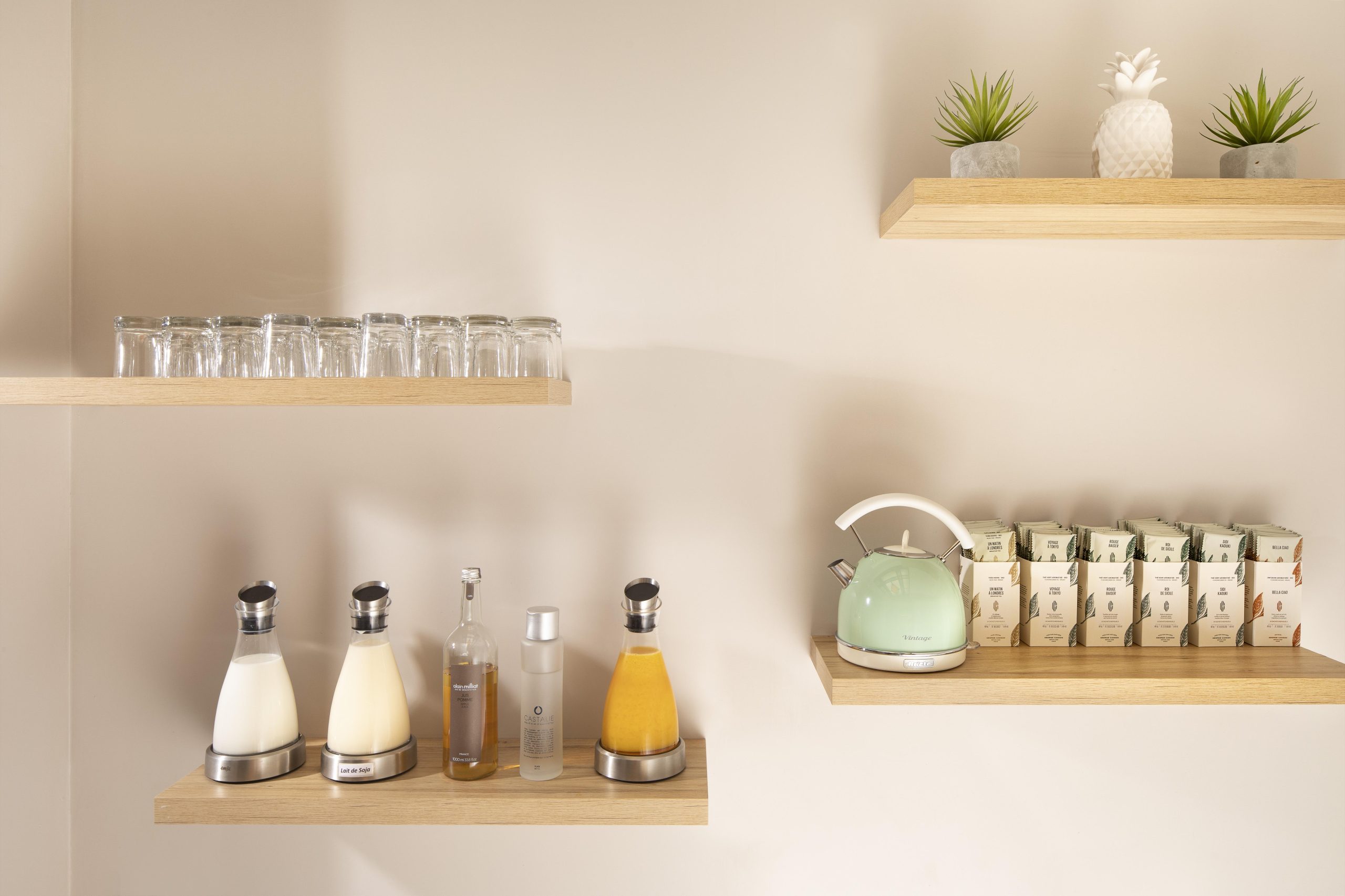
See What Hotel Adriatic Looks Like

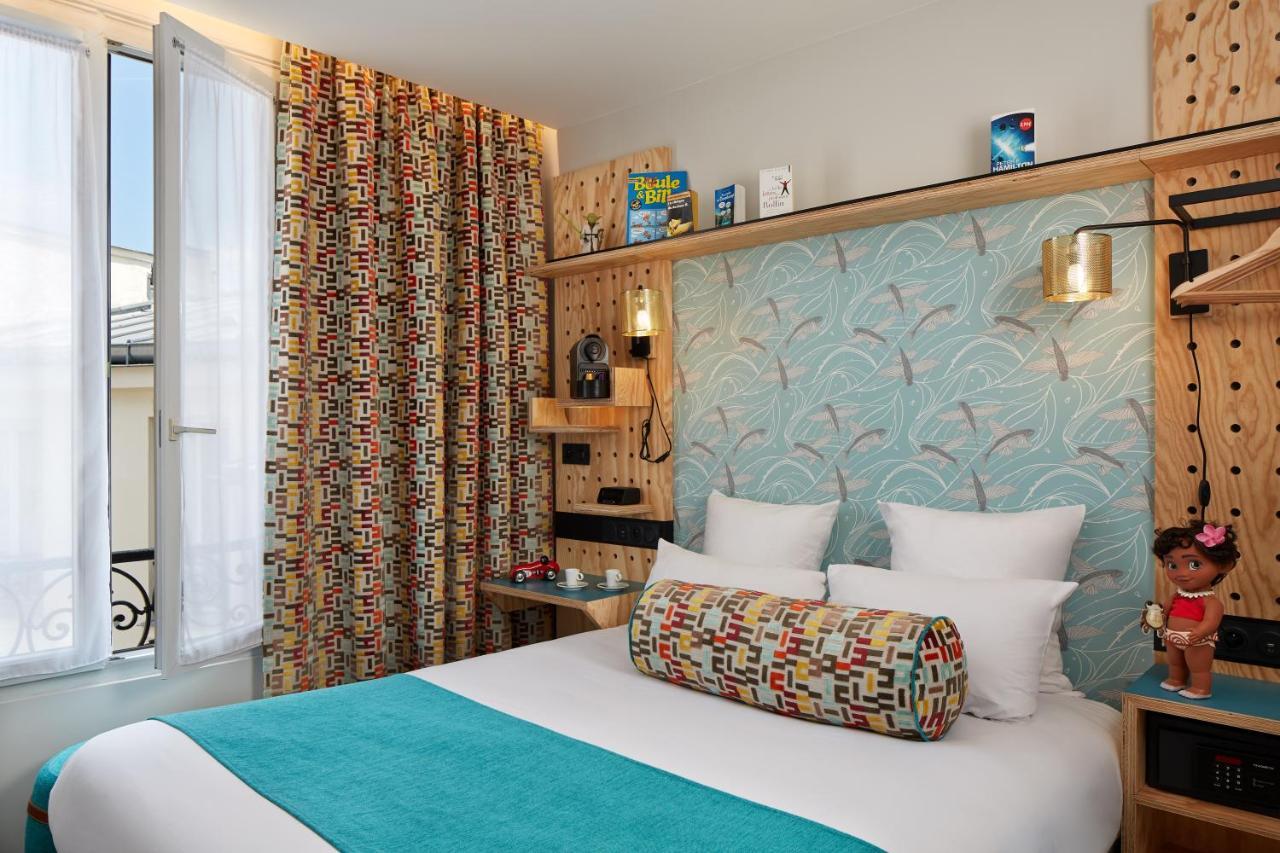
“Stylish, fairly clean place and very practical area. Bright and brand-new units with a comfortable bed.”
Frequently Asked Questions
How much should I budget for food per day in Paris?
A comfortable daily food budget is 40-60€ per person. That gets you a bakery breakfast (3-5€), a prix fixe bistro lunch (16-22€), an afternoon coffee and pastry (5-8€), and a casual dinner or market food (15-25€). You can spend much less by relying on markets and boulangeries, or much more at upscale restaurants.
Do I need to tip in Paris restaurants?
No. Service is included in all restaurant bills by law (service compris). There is no obligation to leave additional money. If you want to acknowledge especially good service, leaving 2-5€ in coins on the table is a generous gesture but never expected.
What time do Parisians eat dinner?
Dinner service starts at 19:00 or 19:30 at most restaurants. The peak time is 20:00 to 21:00. Most kitchens stop taking orders between 21:30 and 22:00. Arriving before 19:00 will usually mean a closed or nearly empty restaurant. Lunch is 12:00 to 14:00, and many bistros close between lunch and dinner.
Is the tap water safe to drink in Paris?
Yes. Paris tap water is clean and safe. Ask for “une carafe d’eau” at any restaurant and you will receive free tap water. You do not need to buy bottled water unless you prefer sparkling.
Where is the best area for food near Gare de Lyon?
The Marche d’Aligre area (10-minute walk from the station) has excellent market vendors, wine bars, and small restaurants. Walk northwest toward Bastille for the Rue Paul Bert and Rue de Charonne corridor, which has some of the best bistros in Paris. The 11th and 12th arrondissements are where many chefs choose to eat on their own time.
Should I make restaurant reservations in Paris?
For dinner at popular bistros, especially on Friday and Saturday nights, yes. Book the same day or a day ahead. For lunch, walk-ins are usually fine. For Michelin-starred restaurants, book weeks in advance. Many restaurants take reservations by phone, through Instagram DMs, or on TheFork.
What is the difference between a bistro and a brasserie?
A bistro is small and casual with a short, changing menu and set meal times (lunch 12:00-14:00, dinner 19:00-22:00). A brasserie is larger, often serves food all afternoon, and has a bigger menu with classics like seafood platters, steak frites, and choucroute. Brasseries are generally a bit more expensive and more formal, though neither requires a dress code.
Are there vegetarian options in Paris restaurants?
Paris has improved significantly for vegetarians. Most bistros offer at least one vegetarian main course. Wine bars and cave a manger spots often have cheese and vegetable plates. Dedicated vegetarian restaurants exist in Le Marais and the 11th arrondissement. Fully vegan options are still less common at traditional bistros, but growing. Markets are always a safe bet for fresh produce, cheese, and bread.
Planning a Stay in Paris?
Guests rate Adriatic Paris Hotel 8.7/10 on Booking.com from 4569 reviews. Check prices and availability for Adriatic Paris Hotel on Booking.com, or compare other places to stay nearby.
Check AvailabilityWe may earn a small commission if you book through this link. It does not cost you anything extra.
Staying at Adriatic Paris Hotel? Browse rooms, facilities and more local guides.
Back to Adriatic Paris Hotel